
Anonymized Engagements
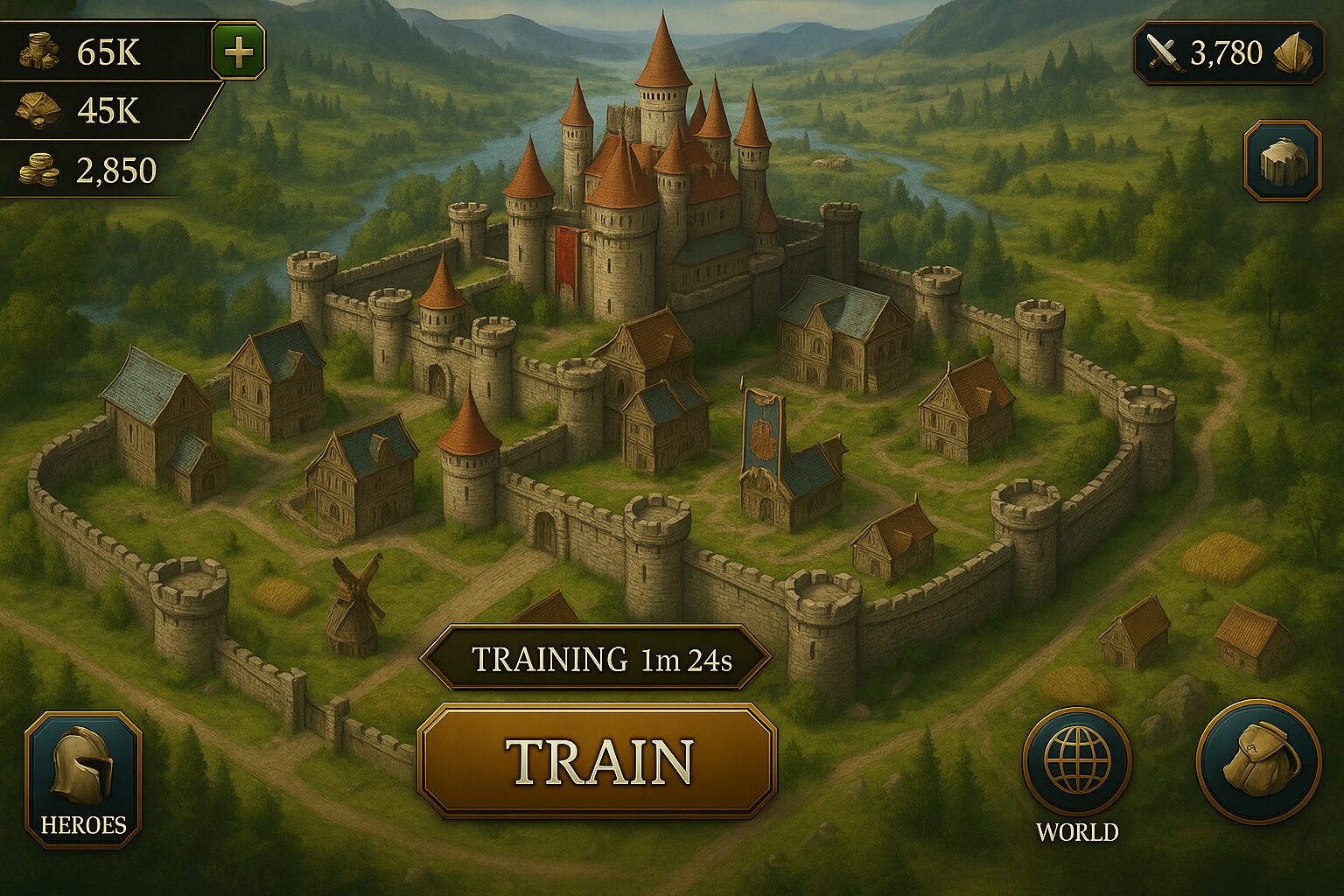
High-Traffic Mobile Strategy Game
How Zumidian helped a US-based mobile studio support a high-traffic live strategy game 24x7x365 while reducing operational pressure on its engineering team.
Game / customer
mobile strategy game · Anonymized
Engagement
24x7x365 Incident Management
Operational risk
Pulling engineers away from product work
Services
24x7x365 infrastructure monitoring · 24x7x365 alert triage · Operational response support · Alerting optimization · Engineer fatigue reduction
Challenge
The customer needed continuous live-game coverage without building a heavier internal model.
The studio operated a high-traffic mobile strategy game set in a globally recognized fantasy universe, with millions of active players worldwide. The game relied on stable infrastructure to support real-time multiplayer battles, alliances, and live events.
At the same time, the studio was reorganizing and beginning work on its next game. The existing live title still needed dependable operational coverage, but the internal team could not afford to keep pulling engineers away from product work to maintain continuous operational support.
A live game with no tolerance for operational gaps
The game still served millions of active players and depended on stable backend infrastructure for real-time battles, alliances, and live events.
Continuous coverage without overloading engineers
The studio needed dependable 24x7x365 operational ownership without pulling internal engineers away from development work.
Reorganization and next-title focus
The studio was reorganizing and beginning work on its next game while the existing live title still required operational protection.
Zumidian's Role
Zumidian became the 24x7x365 operational layer for the live game.
Services used
- 24x7x365 infrastructure monitoring
- 24x7x365 alert triage
- Operational response support
- Alerting optimization
- Engineer fatigue reduction
- 1
Monitor
Track live infrastructure and key services continuously so operational issues could be detected early.
- 2
Qualify
Evaluate alerts and operational signals to determine what required action and what could be safely handled.
- 3
Act
Provide operational triage and response support to reduce unnecessary interruptions to the customer’s engineering team.
- 4
Support
Maintain continuity for the live game while the customer kept internal focus on future development.
Results
The game stayed supported. The engineering team regained focus.
Downtime risk
Lower. Issues could be detected and handled earlier through continuous monitoring and triage.
Player-impact exposure
Reduced. Operational handling helped protect service continuity for millions of active players.
Operational pressure
Less. Engineers no longer had to absorb the same level of routine incident-response burden.
Development focus
More. Internal attention stayed focused on the next project instead of routine operational coverage.
Business Impact
Continuity without distraction.
For an established high-traffic live game, operational continuity matters. The title still has active players, ongoing events, infrastructure dependencies, and revenue exposure.
Zumidian gave the studio a practical model: keep the live game protected, reduce operational risk, avoid overloading internal engineers, maintain player experience, and preserve development focus.
The value was not just monitoring. The value was continuity without distraction.
Business value delivered
- Kept a high-traffic live game protected while internal priorities shifted.
- Reduced operational pressure on the studio’s engineering team.
- Supported player experience through continuous monitoring and triage.
- Provided a practical alternative to expanding internal 24x7x365 coverage.
Need 24x7x365 operational coverage for a live game?
Schedule a Game Operations Review to pressure-test your coverage, incident response, and visibility.